FAQ’S
1. What happens if skin cancer is found?
In fact curettage and topical medication cream are adequate management in early minimal skin cancers. If surgery is necessary, you have an option to undergo surgery in the procedure rooms located within our offices.
2. Why is it important that skin inspection checks are done regularly?
Skin checks are also important for the identification of the diseases at an early stage before they progress to skin cancer. Early detection of changes, mole, or lesion gives the best chance of appropriate management, eradicating any other implications to skin health and health in general as a whole.
3. What should I expect during a skin check?
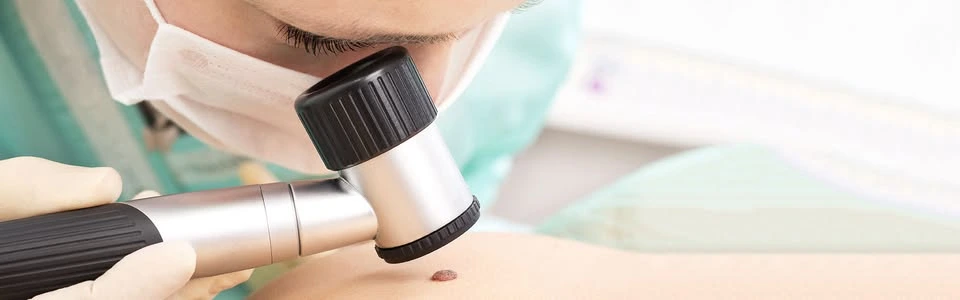
A skin check involves a thorough examination of your skin, including your scalp, back, and all exposed areas, to look for any abnormal growths or changes in existing moles or lesions. The dermatologist will use a dermatoscope, a special tool to magnify and inspect your skin closely. If suspicious areas are found, your doctor may recommend a biopsy or further testing. The procedure is quick and painless, and the dermatologist will discuss any findings with you during the appointment.
4. How often should I have a skin check?
The frequency of skin checks depends on several factors, including your skin type, personal medical history, and family history of skin cancer. Generally, people with fair skin or a history of skin cancer should have a skin check every 6 to 12 months. Those at lower risk may require a check every year. It’s important to speak to your dermatologist to determine the best schedule for you.
5. Can I perform a self-skin check?
Yes, performing regular self-skin checks is an important part of monitoring your skin health. Dermatologists recommend checking your skin monthly, looking for any new moles or changes in existing ones. Keep an eye out for asymmetry, irregular borders, multiple colors, large diameter, or any changes in size or shape. If you notice anything unusual, make sure to schedule a professional skin check to get it examined by a doctor.
6. What are the risk factors for skin cancer?
Several factors can increase your risk of developing skin cancer, including excessive sun exposure, a history of sunburns, a family history of skin cancer, having fair skin, and frequent use of tanning beds. People with a weakened immune system are also at greater risk. It’s crucial to be aware of these risk factors and take appropriate steps to protect your skin, such as using sunscreen, wearing protective clothing, and avoiding prolonged sun exposure.
7. What are the different types of skin cancer?
The three most common types of skin cancer are:
- Basal cell carcinoma (BCC): The most common and least dangerous form of skin cancer, often appearing as a small, shiny bump on the skin.
- Squamous cell carcinoma (SCC): Often found in areas exposed to the sun, SCC can appear as red, scaly patches or open sores.
- Melanoma: The most dangerous type of skin cancer, melanoma often appears as a new, irregularly shaped mole or a change in an existing mole. Early detection is critical for successful treatment.
8. What are the signs to look for during a self-skin check?
When performing a self-skin check, look for the following:
- Changes in size, shape, or color of existing moles or spots
- New growths or moles that appear suddenly
- Itching, tenderness, or bleeding from a mole or lesion
- Irregular borders or asymmetry in the shape of a mole
- Mole that becomes larger than a pencil eraser
If you spot any of these signs, it’s important to schedule a professional skin check with a dermatologist as soon as possible.
9. How can I protect my skin from the sun?
Protecting your skin from the sun is essential to prevent skin damage and reduce the risk of skin cancer. Here are some key sun protection tips:
- Apply a broad-spectrum sunscreen with an SPF of at least 30 every two hours, especially after swimming or sweating.
- Wear protective clothing such as wide-brimmed hats, long sleeves, and sunglasses.
- Seek shade, especially during peak sun hours (10 AM to 4 PM).
- Avoid tanning beds, as they increase the risk of skin cancer.
- Stay hydrated and moisturize your skin regularly to maintain its health.
10. Are there any alternative treatments for skin cancer?
While surgery and medical treatments are the most effective for treating skin cancer, some alternative therapies like topical treatments (e.g., creams with natural ingredients) or photodynamic therapy may be recommended in certain cases. However, these treatments should only be pursued under the guidance of a certified dermatologist. It’s important to avoid self-treatment and always consult a specialist for the best course of action.
In Short
Now that you are aware of how the skin plays an important role in maintaining health. When you are keeping your skin healthy and glowing you will be feeling more confident all the time. Confidence is the key to making sure that you are having the ultimate success in your life. Explore our other list for best Dermatologists in Melbourne.

 [contact-form-7 id="2931" title="Popup"]